


### Blog Post:
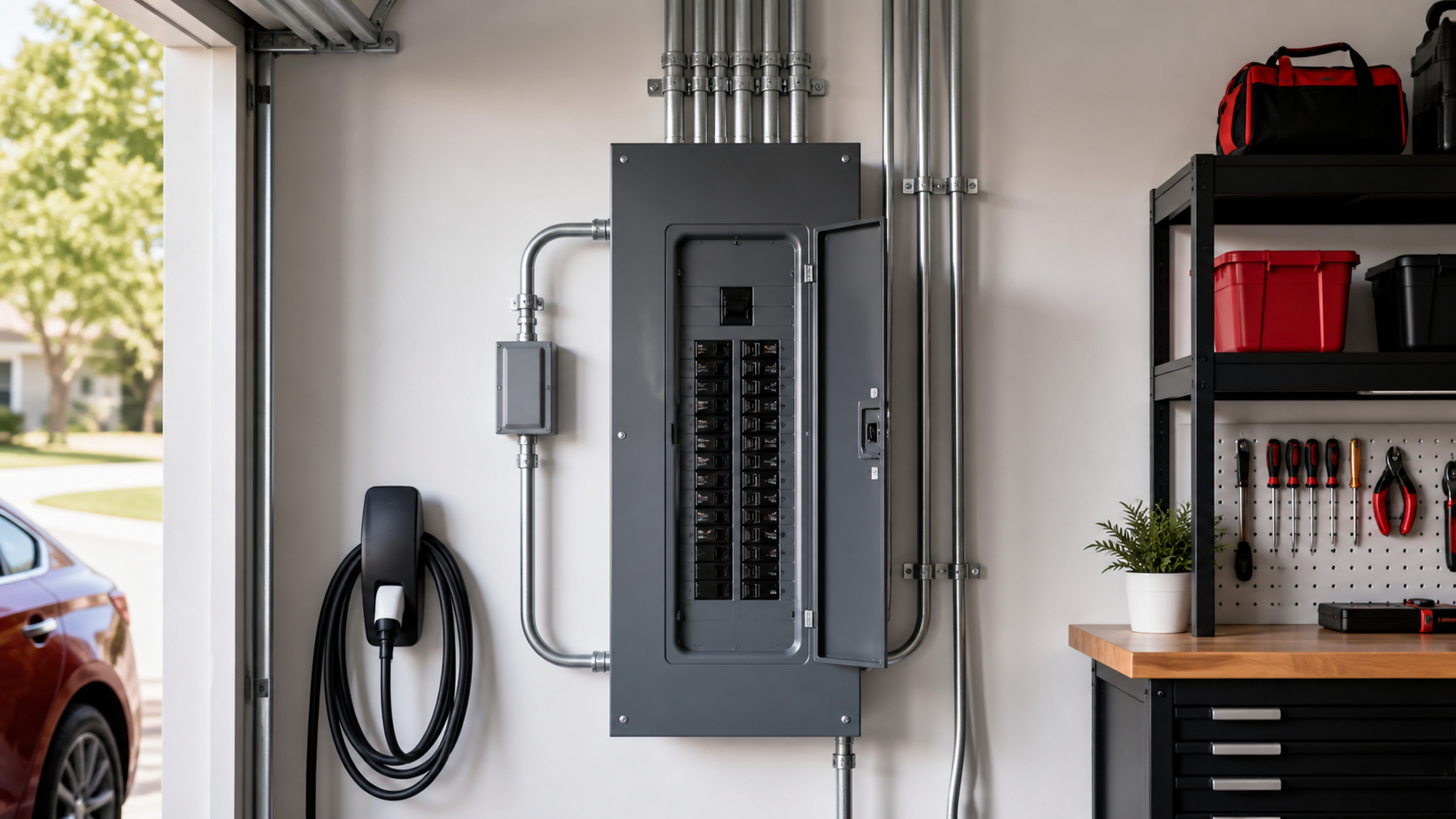
Electrical panel upgrade cost is the first thing homeowners want to know when planning to boost their service from 100 amps to 200 amps, especially with upcoming renovations or an EV charger on the horizon. If you’re tired of vague numbers and surprise headaches, this guide gives you plain numbers, timelines, and a permit playbook—so you can budget with confidence and sidestep hidden delays.
Key Takeaways
- Expect to budget around $2,200 for a 100 amp to 200 amp panel upgrade in 2026, with most projects ranging from $1,300 to $4,500 including all labor, materials, permits, inspection, and typical corrections.
- Permits and utility coordination are the top hidden delays—approval can take days to weeks depending on your city, so get an early jump on these steps.
- Futureproof by reserving panel space for EV chargers and considering newer smart panels that meet NEC 2026 code for surge, grounding, and monitoring requirements.
- Quick 2026 snapshot — how much to budget for a 100A → 200A upgrade
- Line‑item cost breakdown — what you’re really paying for
- Permits, inspections and timelines — the hidden delays
- Homeowner pain points during a 200A upgrade (what to watch for)
- Preparing for EV chargers — electrical requirements and cost impact
- Smart panels, NEC 2026 changes, and compatibility considerations
- Typical timeline and coordinated steps — from estimate to final inspection
- Budgeting, financing and rebates — how to lower net cost
- How to vet electricians and the installation quote — questions and red flags
- Short FAQs that search results miss (quick answers to the top unknowns)
- Closing — actionable next steps (one‑page checklist for the homeowner)
Quick 2026 snapshot — how much to budget for a 100A → 200A upgrade
For most homeowners, upgrading from a 100 amp to 200 amp panel in 2026 costs about $2,200 on average. The majority of jobs land between $1,300 and $4,500, depending on complexity and local rates. This covers labor, materials, the new 200 amp panel and breakers, permit fees, inspection, and basic grounding upgrades. These upgrades are essential when renovating, prepping for an EV charger, or modernizing an older home’s electrical safety. Learn more about average electrical panel upgrade cost here.
Line‑item cost breakdown — what you’re really paying for
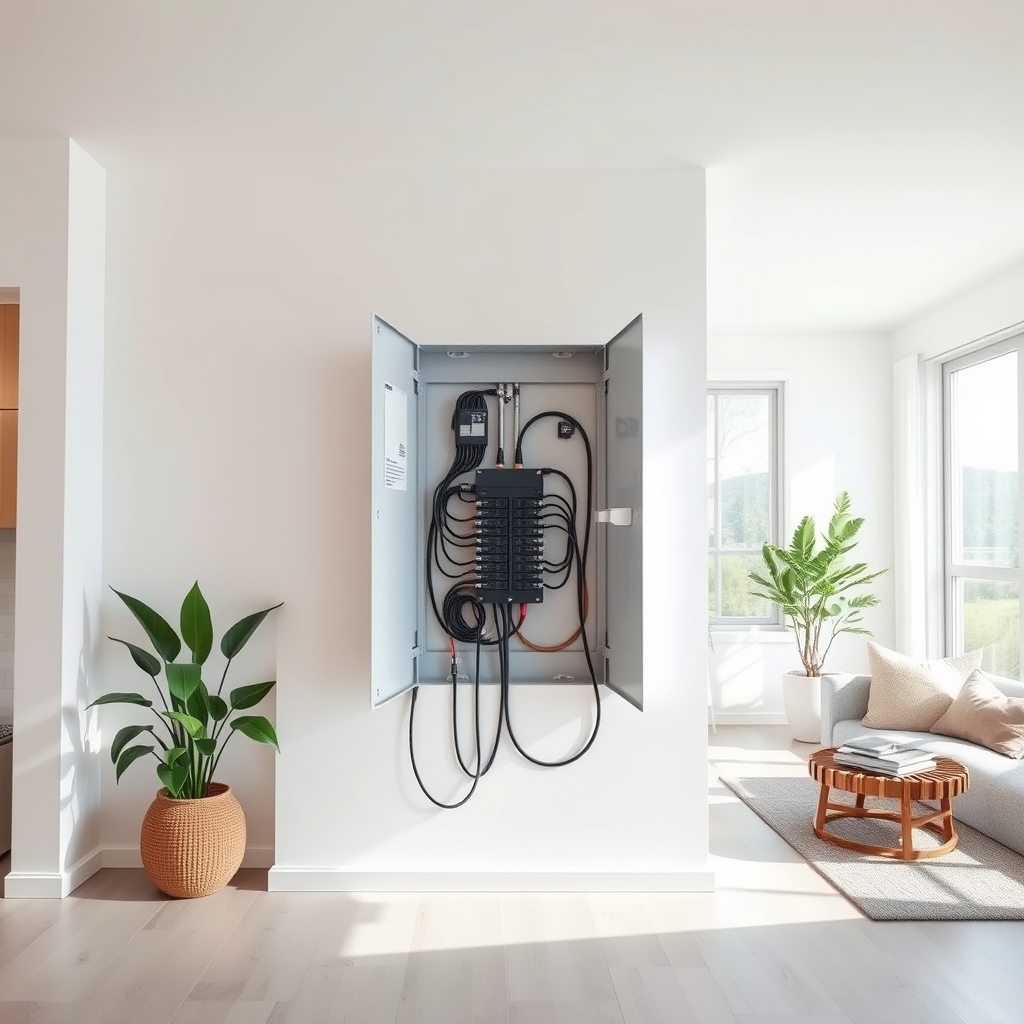
Where do those dollars go during a 200 amp panel upgrade? Here’s a practical breakdown so you can plan—and spot what might drive your cost higher:
- New 200 amp panel & breakers: $350–$850. Includes the physical panel and a typical set of breaker slots. If you need AFCI/GFCI or additional specialty breakers, add more.
- Labor: $800–$1,800. Varies by region and panel location (easier swaps cost less; odd access, more time, and rewiring means more labor hours).
- Permits & inspections: $50–$300. Municipal fees depend on city or county. Inspections are mandatory and may require repeat visits if issues are found.
- Service/meter work: $1,500–$3,000 if the utility must upgrade your service connection, replace the meter base, or run new wire to their pole/transformer.
- Grounding/bonding corrections: $100–$500. Fixes for outdated or unsafe grounding systems. NEC 2026 requires more comprehensive updates.
- Conduit/trenching: Varies. If you’re upgrading service to a detached garage or need underground wiring, add $500–$2,500 to your project (sometimes more).
- Utility charges: Some utilities charge for new meters, overhead service upgrades, or temporary power. Not always disclosed up front—ask early.
Service entrance (meter or main service wiring) upgrades are the biggest wild card—expect to pay an extra $1,500–$3,000 when your utility gets involved. See more specifics on cost components in this 200 amp panel upgrade breakdown.
For more on home improvement budgeting, check out these organization resources for better project prep:
best bullet blender for smoothies and
best storage bins for home organization.
Permits, inspections and timelines — the hidden delays (MAIN UNIQUE INSIGHT)
Most panel upgrade horror stories start with the permit and inspection process—not the actual installation. Here’s exactly where homeowners hit delays and how to speed things up:
Step-by-step permit workflow:
- Site survey & load calculation: Your electrician visits and does a formal “load calculation” (required for permits in 2026 and onward).
- Permit application submitted: Contractor files with your local building department—this may require a load calc worksheet, utility pre-approval, and plans/layouts.
- Permit review & fee payment: You (or your electrician) pay $50–$300 in fees. Some cities do instant over-the-counter permits; others take days to route for review.
- Inspection scheduling: Post-install, your inspector has to sign off before the utility reconnects service. If issues are found (improper grounding, panel labeling, AFCI) you may need corrections and a reinspection.
- Utility notification: If service/utility upgrades or disconnects are needed, coordination adds time. Utilities sometimes require their own permits or dispatch windows.
How to minimize delays:
- Request pre-submittal permit checks—some cities offer phone or online plan review before filing. Small corrections made here save rework later.
- Have your electrician file all paperwork and pay fees—pros know what each municipality requires and can often expedite over-the-counter permits for simple jobs.
- Ask about permit expedites if you’re under a remodel deadline; some areas will review within 1–3 days (for a higher fee).
- Proactively confirm utility work windows—if your meter or service drop needs replacing, schedule this as soon as your permit is approved.
Permit fees are a minor cost ($50–$300), but approval times are the #1 reason projects stall. In some regions, permit and inspection delays can add 2–5 weeks to your timeline. Most top articles skip these real-world variables—but you can see real numbers by checking regional upgrade permit fees and bottlenecks.
Homeowner pain points during a 200A upgrade (what to watch for)
Upgrading to a 200 amp panel isn’t always a simple swap. Here’s where feedback from actual homeowners turns up consistent headaches—and how each pain point can drive costs or delays:
| Pain Point | What Happens | Cost/Time Impact |
|---|---|---|
| “Old-house surprises” | Hidden wiring issues, deteriorated insulation, or undocumented splices appear once the panel is opened. More work discovered means extra billable labor/material. | +$200–$1,000 and possibly days added if re-wiring is involved |
| Grounding or bonding problems | Older homes often fail current NEC standards—requiring a grounding rod, water pipe bond, or more AFCI/GFCI protection in 2026. | +$100–$500 and reinspection fee |
| Utility coordination | If service disconnect/reconnect is required, you’re at the mercy of the utility’s schedule—for both power cut and inspection window. Extra meter or service drop upgrades might be charged. | 1–2 weeks extra wait, +$1,500–$3,000 if full service entrance replaced |
| Insufficient breaker space | Existing panel too small or overfilled; adding EV circuits or backup circuits requires a larger panel or subpanel. | +$200–$800 and additional labor hours |
| Permit/inspection scheduling | Inspector backlog or needing corrections can delay approval and utility reconnection. | Few days to several weeks if repeat inspections required |
Consider reading about best coat rack for entryway as part of your home improvement master list, so no organizational detail gets left out during disruptions.
Preparing for EV chargers — electrical requirements and cost impact
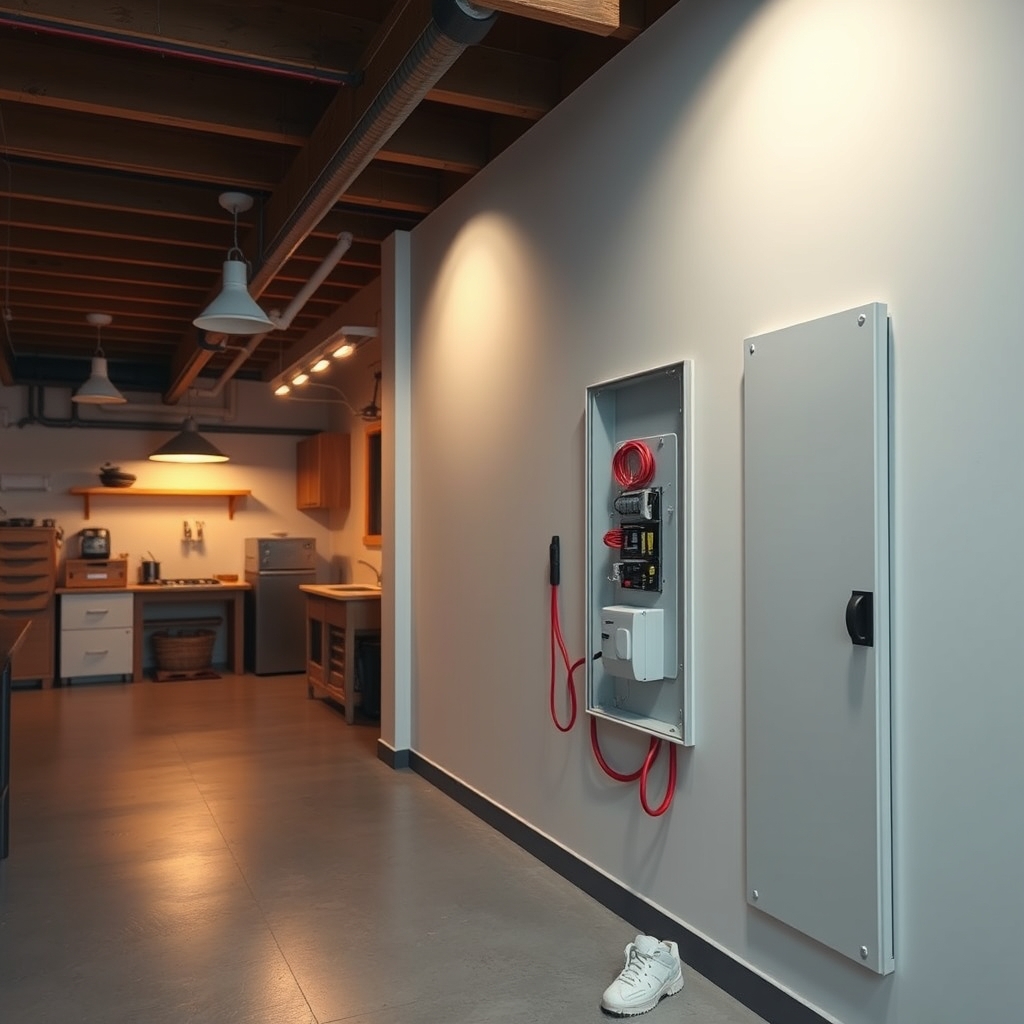
If you’re updating your panel for an Level 2 EV charger (or planning for one soon), know that most Level 2 chargers require a dedicated 40–60 amp 240 volt circuit—which often pushes older homes past safe load for their original panel. Electricians will do a load calculation to confirm if a 200 amp panel is truly required. Plan for:
- A reserved dual-pole space in the new panel (or a subpanel) for the EV circuit
- Extra conduit from panel to the garage or parking area, if needed
- Additional AFCI/GFCI protection as code or the charger manufacturer specifies
Average panel upgrades to support an EV run $1,500–$4,500 (including permits and labor), though adding trenching or a major new service amp could cost more. But federal clean energy credits—like the 30% tax credit up to $1,000 for residential EV charger installation—can offset much of this if you bundle the upgrade with your EV project. For exact figures and workload, see QMerit’s 2026 EV installation guide and EcoFlow’s breakdown.
Staying organized while planning multi-stage home projects? Our
storage bins for home organization guide can help keep your renovation paperwork and hardware sorted.
Smart panels, NEC 2026 changes, and compatibility considerations
With new code updates, many homeowners consider a “smart panel” to futureproof their electrical system. A smart electrical panel offers:
- App/web monitoring for energy usage, circuits, and remote shutoff
- Built-in load shedding and scheduling (important for solar or battery integration)
- NEC 2026-native features like extra surge protection and advanced grounding
NEC 2026 now requires more comprehensive surge protection and more rigorous grounding/bonding checks—especially if you’re upgrading service or adding high-load appliances (like EV chargers or heat pumps). Smart monitoring, documentation, and even additional communications wiring are increasingly standard for permit compliance. A standard smart panel costs $1,200–$2,000 installed (before labor), but most pros recommend pairing upgrades with other system work to avoid redundant labor costs. See the latest code and smart tech changes in this 2026 panel upgrade review.
Typical timeline and coordinated steps — from estimate to final inspection
Panel upgrades are rarely “one day and done.” Here’s a realistic best-case timeline for a typical suburban job:
- Estimate & load calculation: Your first electrician visit, usually within 2–7 days of first call.
- Permit application: Submitted by contractor, 1–10 days, depending on your city’s review process.
- Utility coordination: Needed for meter/service upgrades; 1–3 weeks in some areas.
- Installation: 1–2 days for panel swap, potentially longer for full service upgrade or major wiring issues.
- Inspection: Scheduled immediately after install, but inspector backlog can cause 1–7 day waits. Corrections add more time.
- Utility reconnect: If service was disconnected, utility must approve and restore power—often 1 day to 1 week after inspection.
Average fast project: 2–3 weeks. Delays, coordination, or major corrections: up to 4–6 weeks. Permit approval alone can run days to weeks, utility work is often out of your electrician’s control.
If you need help organizing project paperwork and progress, our
best airtight containers for food storage guide doubles as a reminder for renovation-ready storage solutions.
Budgeting, financing and rebates — how to lower net cost
To avoid financial shocks, set your base panel upgrade budget at $2,200, with a realistic range of $1,300 to $4,500. Always set aside a contingency fund—10–20% of the base price (or $200–$800)—to cover possible “surprises” like grounding fixes, new meter, or wiring repairs.
- Financing: Options include home improvement loans, contractor payment plans, or using your HELOC.
- Rebates: Combining an EV charger with your panel upgrade? Federal tax credits can cover 30% of the install cost, up to $1,000 (more if you combine it with solar or battery work).
- Incentives: Many utilities offer $200–$1,000 rebates for smart panel or whole-house surge installations — ask during planning.
For hands-on project management, check our
best coat rack for entryway and other organizing tips to keep receipts and schedules on track.
How to vet electricians and the installation quote — questions and red flags
The difference between a smooth upgrade and a 2 month saga? Choosing the right contractor and asking the right questions. Here’s what to check every time:
- Will you provide a formal load calculation and code cross-check (including future EV or solar plans)?
- Who pulls the electrical panel upgrade permit – you or the contractor?
- Do quotes include all required breakers, AFCI/GFCI as needed, and utility coordination fees?
- How will panel labeling and circuit documentation be handled?
- How many days will power be off, and what’s the backup plan if installation faces delays?
- What warranty do you offer for labor, major components, and inspection failures?
- Can you provide insurance, license, and project references for similar 200 amp panel upgrades?
- What happens if old wiring, service entrance, or grounding needs major fixes?
Warning signs: “Too good to be true” quotes with missing line items, unclear permit plan, or contractors who dodge futureproofing/EV questions. Most thorough professionals include permit support, formal load calc, documentation, grounding checks, and utility coordination as standard.
Short FAQs that search results miss (quick answers to the top unknowns)
How long do electrical panel upgrade permits take in 2026?
Permits can take anywhere from a few days to several weeks depending on your municipality’s backlog. In fast-moving areas, over-the-counter approval is possible. With corrections or busy seasons, plan for 2–5 weeks total including inspection.
When exactly should I upgrade my electrical panel?
If you’re adding major appliances, a Level 2 EV charger, noticing frequent breaker trips, or you have a 100 amp service in an updated home, it’s smart to upgrade. NEC 2026 and modern appliance loads often stretch old panels beyond safe limits.
Do I need a smart panel for EV or solar readiness?
No, but a smart electrical panel makes adding and managing EV, battery, or solar circuits easier. New code requirements for surge and grounding are built in for most models, which may help future permits and home resale.
What if my utility says the transformer or service drop is too small?
You’ll need to pay for an upgraded service drop and potentially a new transformer, which utilities charge separately. This can add $1,500–$3,000+ and a few weeks to your upgrade timeline.
Where do NEC 2026 code changes matter for homeowners?
NEC 2026 enforces stricter rules on grounding, bonding, and surge protection—especially for panel upgrades or homes with new high-load circuits. Expect extra inspection on grounding work and potentially added equipment (surge protectors, smart meters).
Closing — actionable next steps (one‑page checklist for the homeowner)
Here’s how to move from research to action with confidence:
- Schedule a site visit plus formal load calculation with at least two licensed electricians.
- Get a written, detailed quote—itemize materials, panel type, breakers, labor, permits, and utility fees.
- Ask who is responsible for filing each permit and coordinating with the utility.
- Reserve a contingency fund (10–20%) for grounding, wiring, or service upgrades.
- Ask about rebates or tax credits (particularly if bundling with EV charger installation).
- If utility work is likely, call your power company early to ask about fees and scheduling windows.
Set your base electrical panel upgrade cost at the $2,200 average, plan for the $1,300–$4,500 range, and expect the unexpected—especially with older homes or utility side work. Ready to upgrade? Get clear quotes, prep your paperwork, and give yourself a buffer so the process is safe, on budget, and futureproof.