


### Blog Post:
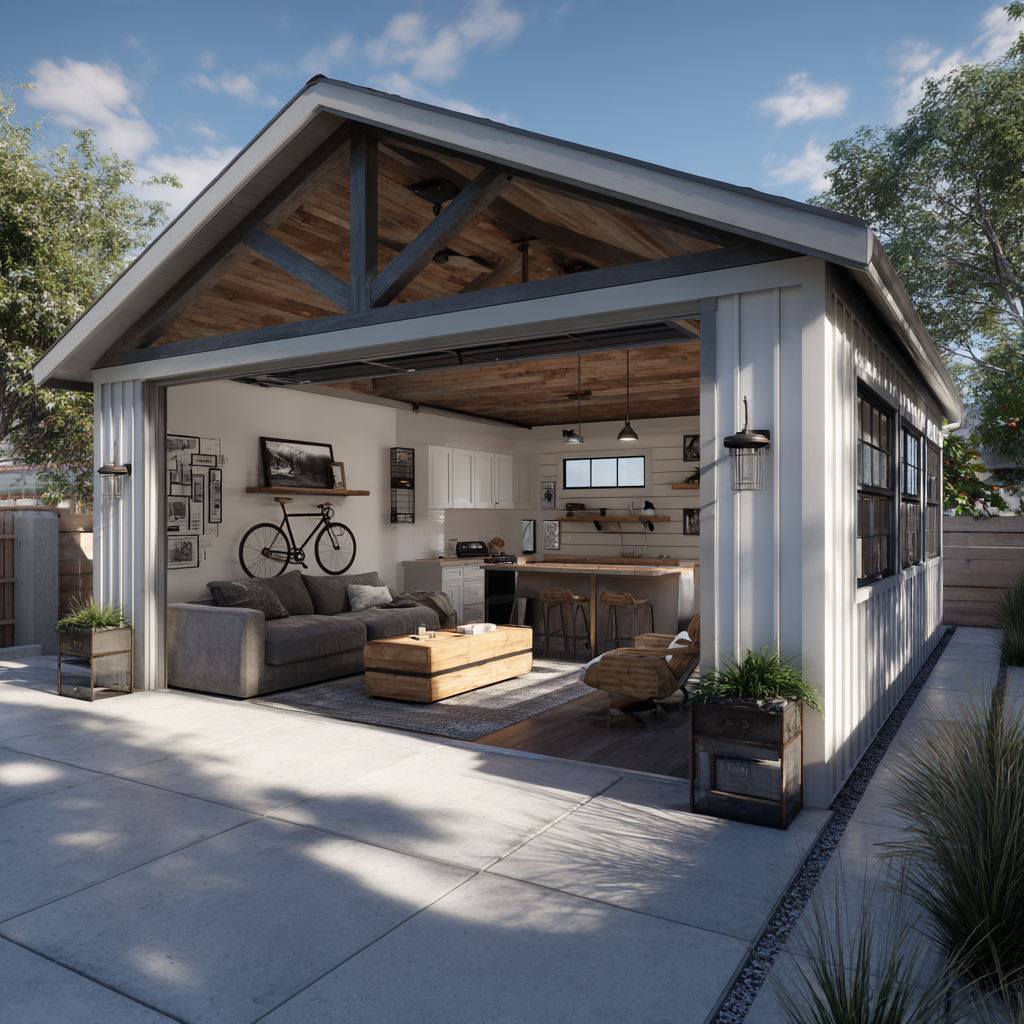
ADU garage conversion is one of the smartest and fastest ways California homeowners can add real value, generate rental income, and anticipate new 2026 law changes affecting costs, permit timelines, and ROI—all without the burden of building from scratch.
Key Takeaways
- A typical garage-to-ADU conversion in California costs $70,000 to $150,000, with regional averages up to $200,000 in the Bay Area, but has the quickest path to ROI.
- The 2026 ADU law reforms streamline permits, reduce fees, and increase the maximum conversion size, notably boosting value for garage conversions.
- Most owners can expect to recoup costs within five to eight years through ADU rental income, with property value gains strongest in high-demand cities.
- Quick snapshot — Is a garage-to-ADU right for you?
- 2024 average garage-to-ADU conversion cost in California — statewide and by region
- Permit fees, timelines and the “garage conversion permit” process (2024–2026)
- What ADU laws 2026 change for garage conversions
- Step-by-step: How to convert your garage to a permitted ADU (project roadmap)
- Detached ADU vs garage conversion — pros, cons, and cost comparison
- Rental income expectations and ROI in major California cities
- Financing, incentives and soft-cost reduction strategies
- Common pitfalls, code traps and checklist for a successful garage conversion
- Local next steps and resources (how to get precise city estimates)
Quick snapshot — Is a garage-to-ADU right for you?
Thinking about changing your garage into a legal rental or extra suite? Use this checklist before committing to an ADU garage conversion:
- Is your garage in solid condition (foundation, structure, roof, no major water intrusion)?
- Can you live with the loss of covered parking, and does your neighborhood support ample street or alternative parking?
- Does strong rental demand exist in your city (check local listings for ADU rental income benchmarks)?
- Can you finance $70,000 to $150,000 upfront, or qualify for home equity, HELOC, or construction lending?
- Do you understand the ADU garage conversion permit requirements and resale/rental value tradeoffs in your area?
If you answered yes to most, a garage conversion may offer the best balance of capital cost and add substantial value—especially with California’s upcoming ADU reforms.
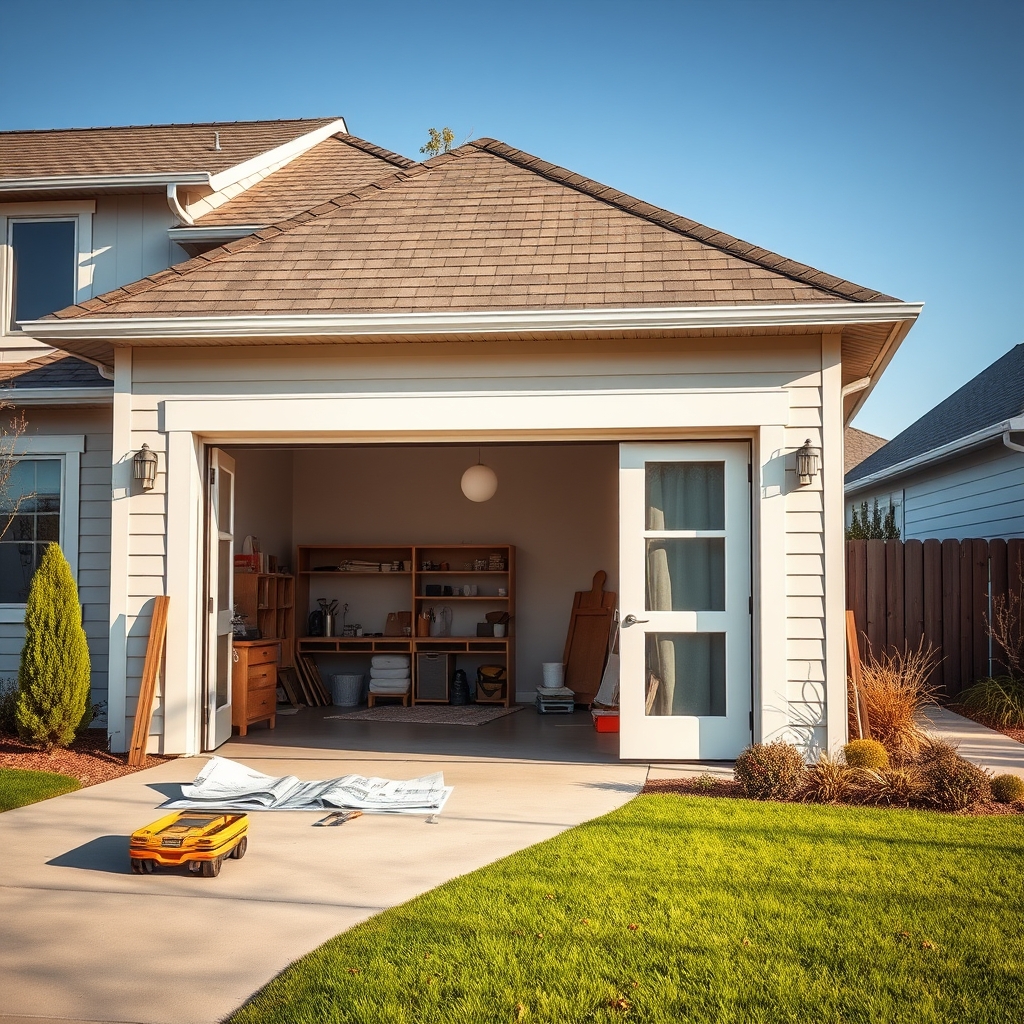
2024 average garage-to-ADU conversion cost in California — statewide and by region
Here’s what you need to know up front about garage to ADU cost in 2024:
- Bay Area: $120,000 to $200,000 total
- Los Angeles: $100,000 to $180,000
- San Diego: $80,000 to $150,000
- Sacramento/Central Valley: $65,000 to $130,000
- Inland/Rural Markets: $55,000 to $110,000
This covers complete conversion—structure upgrades, mechanical-electrical-plumbing (“MEP”) improvements, Bathroom + kitchen buildout, finished interiors, and permit fees.
- Cost per square foot: Most projects run about $125 to $300 per sq ft on average.
- MEP upgrades: Installing or upgrading full plumbing, a new subpanel or main panel, and additional HVAC typically costs $25,000–$50,000 alone (source).
- Bathroom + kitchen: This can add $18,000–$45,000, depending on the finish level and appliances.
You will also pay permit fees of approximately $3,000 to $10,000, with the highest fees in coastal or high-cost cities. For more budget-focused renovations, see our best home improvement tips or our energy-saving improvements guide.
Permit fees, timelines and the “garage conversion permit” process (2024–2026)
The California garage conversion permit process includes:
- Pre-application: Check if your garage qualifies (zoning, setbacks, fire access).
- Complete plan set: Submit dimensioned plans, Title 24 energy calcs, MEP layouts, and site plan.
- Plan review: City checks plans for completeness in 15 days or less (mandatory in 2026 per new law).
- Permit decision: Approval/denial must occur within 60 days, greatly reduced from past timelines (source).
- Construction and inspections: Staged inspections for foundation/structure (if changed), rough/finish plumbing, electric, HVAC, and final safety checks.
Total city permit/impact fees generally range from $3,000 to $10,000, and may drop further for conversions under 750 sq ft starting in 2026. Be sure to request a “garage conversion permit” checklist from your local office before applying. For a full DIY guide to prepping for approvals, see our DIY home improvement guide.
What ADU laws 2026 change for garage conversions (the crucial regulatory updates)
The 2026 ADU laws in California bring crucial changes impacting every garage conversion:
- Size limit: Max ADU size increases to 1,200 sq ft statewide.
- Fee exemptions: Units up to 750 sq ft are exempt from impact and school fees (a major savings, especially for garage conversions).
- Mandatory separate entrance and 16-foot height limit for all conversions.
- Title 24 energy code updates: Stricter standards for insulation, HVAC, and ductwork.
- Permit reform: Cities must determine application completeness in 15 days and grant or deny permits within 60 days (source).
- Impact fees: Lowered for all garage-based ADUs; some cities offer further reductions for preapproved plans.
These reforms make it faster and cheaper to secure your garage conversion permit, especially for projects under 750 sq ft. Be sure to review your city’s latest updates in 2026 or check their official ADU portal.
Step-by-step: How to convert your garage to a permitted ADU (project roadmap)
Every successful garage-to-ADU project follows a tested process. Here’s a realistic step-by-step sequence:
- Feasibility & cost estimate: Assess foundation, roof, and wall framing first. Order a preliminary design and cost breakdown.
- Architectural plan & utility assessment: Work with a designer or drafter on code-ready plans. Confirm if electrical, water, and sewer can support the new unit, and budget for upgrades.
- Permit application: Submit your “garage conversion permit” docs using the local completeness checklist. Apply for all required city/county approvals and wait for City’s 15-day response.
- Construction milestones: Address needed structural and foundation fixes, MEP upgrades, insulation to Title 24 standards, kitchen and bathroom installation, separate entrance, new windows, and egress/fire safety.
- Final inspections & occupancy: Pass city inspections and secure your final Certificate of Occupancy (CofO). Start tenant marketing or prepare for multigenerational living.
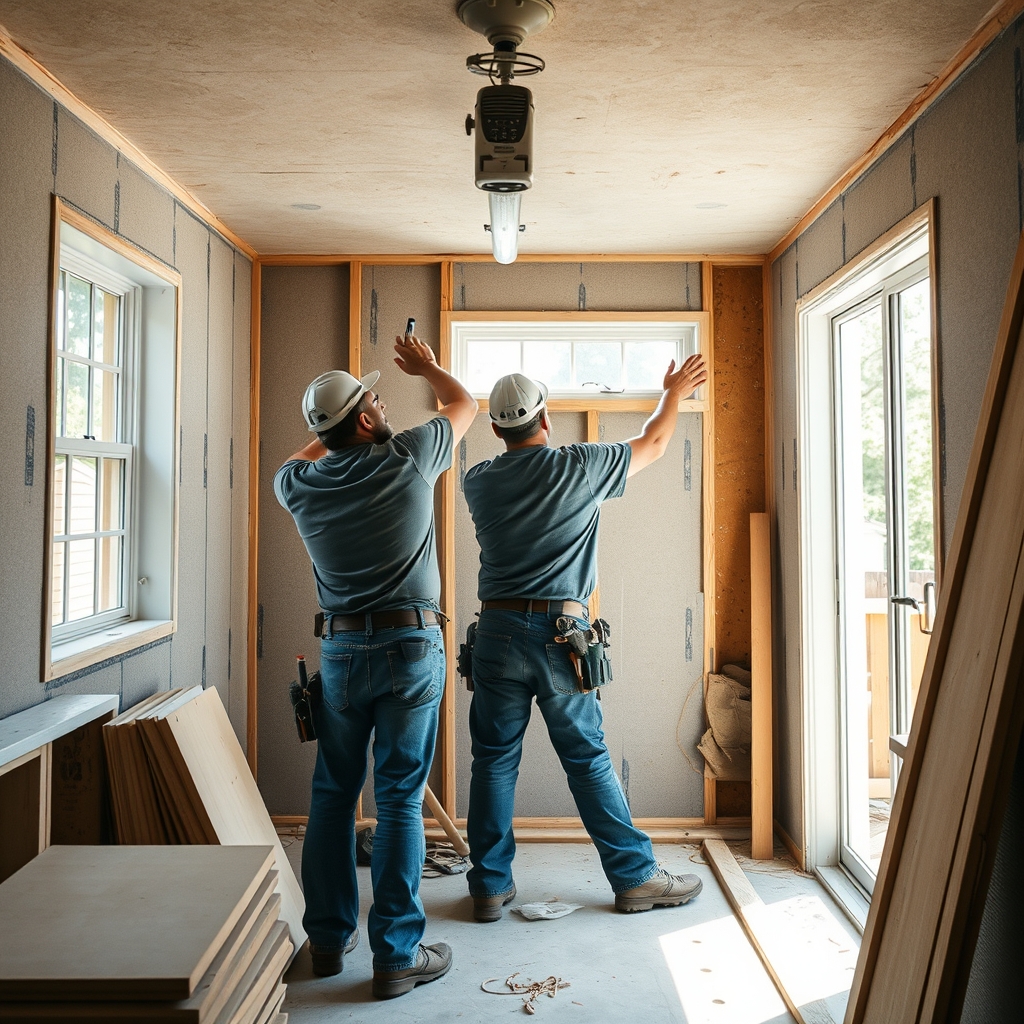
Typical timeline from start to finish: five to eight months, depending on project size and contractor availability (source).
Detached ADU vs garage conversion — pros, cons, and cost comparison
Should you build a new detached ADU or convert that existing garage? See the direct breakdown below.
| Option | Total Cost Estimate | Timeline | Code Complexity | Rental Appeal |
|---|---|---|---|---|
| Garage Conversion | $80,000 – $200,000 | 5–8 months | Lower: uses existing footprint | Good, best for studios/1BR in dense areas |
| Detached ADU (600 sq ft) | $150,000 – $225,000 | 8–14 months | Higher: site grading, setbacks | Excellent—more privacy, best for families |
| Detached ADU (800+ sq ft) | $200,000 – $300,000+ | 9–18 months | Highest: more inspections, bigger fee basis | Best for long-term value, 2-bedroom family |
Garage conversions win on construction speed and cost—because you’re leveraging an existing structure and foundation. Detached ADUs offer more design freedom, privacy, and value-appeal but at double the cost in most cases. Still not sure? Our home improvement tips break down more value-add strategies before you invest.
Rental income expectations and ROI in major California cities
How much rent can you earn from an ADU garage conversion? Here are typical market ranges by region:
- Los Angeles: $1,800–$3,200/month
- San Francisco Bay Area: $2,200–$4,000/month
- San Diego: $1,600–$2,800/month
- Sacramento: $1,300–$2,200/month
- Orange County: $1,700–$3,000/month
With upward-trending ADU rental income and the permitted ADU value-add in CA (often $100,000–$300,000+), most owners see a five to eight year payback. Premium garage-to-ADU conversions in high-demand zip codes sometimes recover full cost in as little as four years, especially when combined with strong annual appreciation.
Do factor in management costs (8–10 percent if you use a service), property tax reassessment, and 5–8 percent annual vacancy. For more on improving home ROI, explore our guide on increasing home value before selling.
Financing, incentives and soft-cost reduction strategies
Strategies to cut your out-of-pocket and speed your first rental:
- Financing: Many use home equity, cash-out refinance, or construction loans—sometimes combined with city programs.
- Fee exemptions: Under ADU laws 2026, conversions under 750 sq ft are exempt from impact and school fees, often saving $7,000–$25,000 (source).
- Streamlined permitting: Many cities now offer preapproved plans and fixed-fee processing to cut architect/permit costs by 20–30 percent, especially for standard garage footprints.
- Incentives: Watch for local grants, rebates, or energy-efficiency credits (especially if adding an efficient heat pump water heater or solar—see our heat pump water heater cost guide).
When financing an ADU garage conversion, always get clear estimates of soft costs—planning, design, permits—and see if your city lists public rebates or offers standardized/expedited review programs.
Common pitfalls, code traps and checklist for a successful garage conversion
Most ADU garage conversion projects face at least one challenge. Here are the top issues—and how to avoid them:
- Parking loss impacts: In neighborhoods with few options, garage removal may lower resale value or complicate future sales. Analyze how buyers in your area value parking.
- MEP undersizing: Not enough service (main panel amps, sewer size, water pressure) leads to costly mid-project change orders.
- Title 24 compliance traps: Failing to match insulation or window performance can halt inspections—use an expert familiar with 2026 requirements.
- Fire egress or ceiling height violations: California code requires egress windows and 7-foot minimum clear height.
- Missing “soft costs:” Fees, engineering, and city plan checks can add $15,000–$30,000 if not budgeted.
- Value recovery gaps:
- Basic living space conversions: 50–65 percent cost recovery at resale
- Full ADU conversion: 65–85 percent recovery
- Premium in-demand ADUs: 80–100 percent or more (all per recent ROI studies)
- Note: Losing a standard two-car garage often slightly lowers home value in resale, partially offsetting any gain—factor this into your long-term plans (source).
Before starting, review this pre-build checklist:
- Confirm zoning and setback rules for your neighborhood.
- Order a pre-conversion inspection (foundation, framing, drainage).
- Get at least three detailed contractor bids, including MEP, finishes, and all soft costs.
- Request a local permit fee and Title 24 estimate up front to avoid budget shock.
- Ask for recent examples of permitted ADU garage conversions in your city.
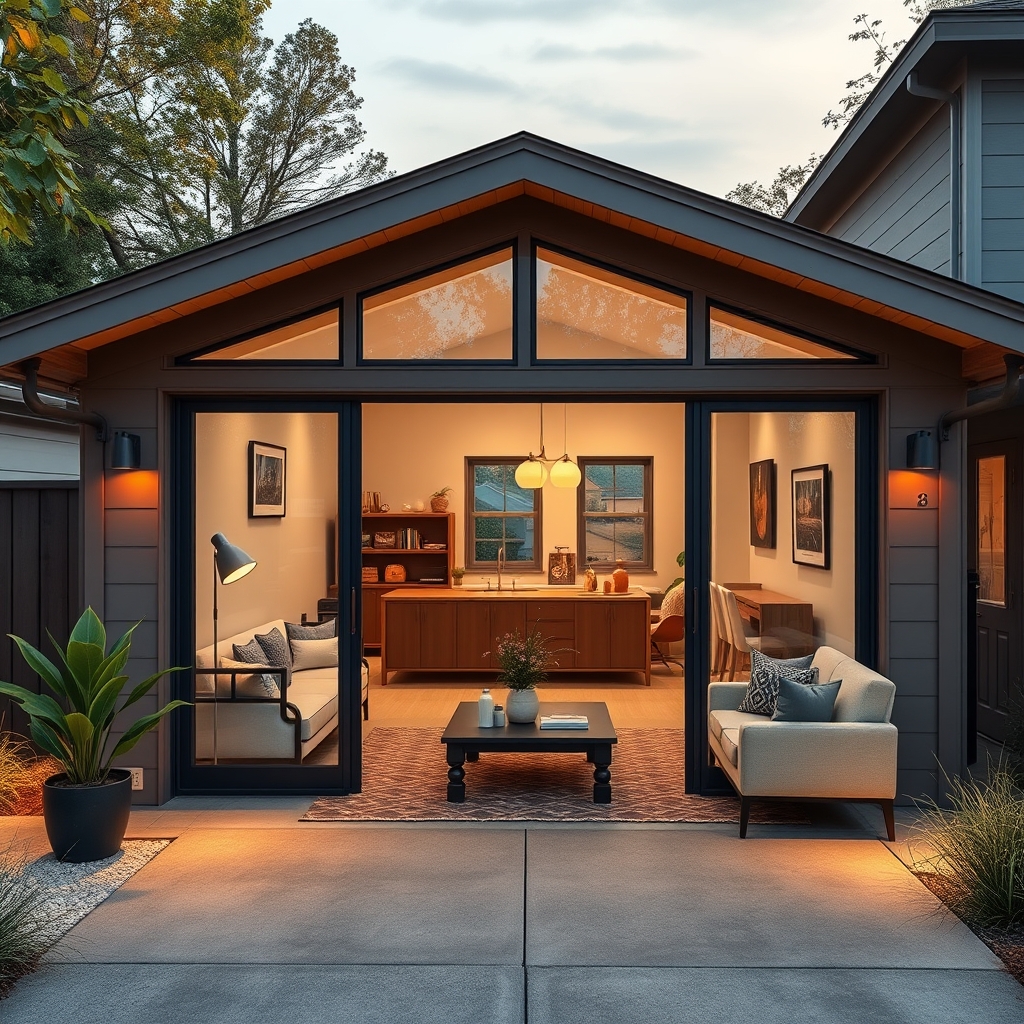
Local next steps and resources (how to get precise city estimates)
Costs, permit fees, and timeline all shift quickly by location. To get your exact ADU garage conversion cost California estimate, follow this process:
- Contact your city or county planning department for the latest “garage conversion permit” fee schedule.
- Search for their ADU checklist and any preapproved plan options (some publish these online).
- Get three bids from local, ADU-experienced contractors including line items for MEP, Title 24, and all soft costs.
- Request a Title 24 energy compliance/insulation estimate early—especially for older garages.
City Variants to Watch:
- Bay Area: $120K–$200K, local labor rates can drive bids higher.
- Los Angeles: $100K–$180K, city impact and permit fees may exceed $10,000 for larger units.
- San Diego: $80K–$150K with strong incentives for 2026-compliant energy and low-impact projects.
- Sacramento/Central Valley: $65K–$130K, fastest permitting and typically lower soft costs.
Always verify pricing with your local office. For further inspiration, check out our insights on cutting home utility costs or improving curb appeal and home exterior before listing or refinancing.
FAQ: ADU Garage Conversion in California
How much does an ADU garage conversion cost in California in 2024?
Most conversions cost $70,000–$150,000 statewide, with higher-end projects in Bay Area or LA reaching $180,000–$200,000+
How long does a garage-to-ADU conversion take?
Typical duration is 5–8 months from design to occupancy, if plans are complete and contractor is available.
Do I need to provide replacement parking to convert my garage?
Most California cities no longer require replacement parking for ADUs, but local rules may vary. Always confirm with your city’s planning department.
Will the 2026 California ADU laws lower my permit fees?
Yes—most units under 750 sq ft will be exempt from impact and school fees, and timelines will be much faster for all conversions.
Does a garage-to-ADU add to my property value?
Permitted ADUs typically recover 65–100 percent of their cost at resale, but the loss of garage parking can reduce overall gains in some neighborhoods. It’s wise to check comparable sales locally.