


### Blog Post:
Heat pump water heater upgrades are one of the most talked-about home investments for 2024, but the true costs, real-world reliability, and rebate stacking for 2026 can be confusing. Here’s what homeowners need to know before swapping out a gas or electric tank for a hybrid.
Key Takeaways
- Total out-the-door hybrid water heater cost in 2024 averages $4,500–$6,000, with a median of $5,200 before rebates or credits.
- Most common complaints with heat pump water heater units: beeping error codes, need for electrical upgrades, and lukewarm hot water during winter.
- To optimize ROI using rebates and tax credits, homeowners must plan for incentive limits, timing, and local program rules in 2026 and beyond.
- How much does a hybrid (heat‑pump) water heater cost in 2024? — Quick answer
- Line-item cost breakdown — unit, installation, electrical, warranties
- Installation considerations — 120V vs. 240V, site fit, and complexity
- Common negative user reviews — performance and reliability issues to know
- Heat pump water heater vs. gas — cost and performance comparison
- Rebates, utility incentives and tax credits for 2026 — what to expect
- 3 rebate insights top articles miss (what to call out for 2026)
- How to model ROI and payback (step-by-step with numbers)
- Picking the best heat pump water heater — features, sizing, and warranty checklist
- FAQs homeowners ask (short, actionable answers)
- Practical next steps — getting quotes and locking incentives
How much does a hybrid (heat‑pump) water heater cost in 2024? — Quick answer
The typical hybrid water heater cost for a standard U.S. household in 2024 is about $4,500 to $6,000 installed, with a median around $5,200. This price includes both the unit and standard professional installation, but costs vary a lot due to model choice, location, contractor markup, and extras like electrical upgrades.
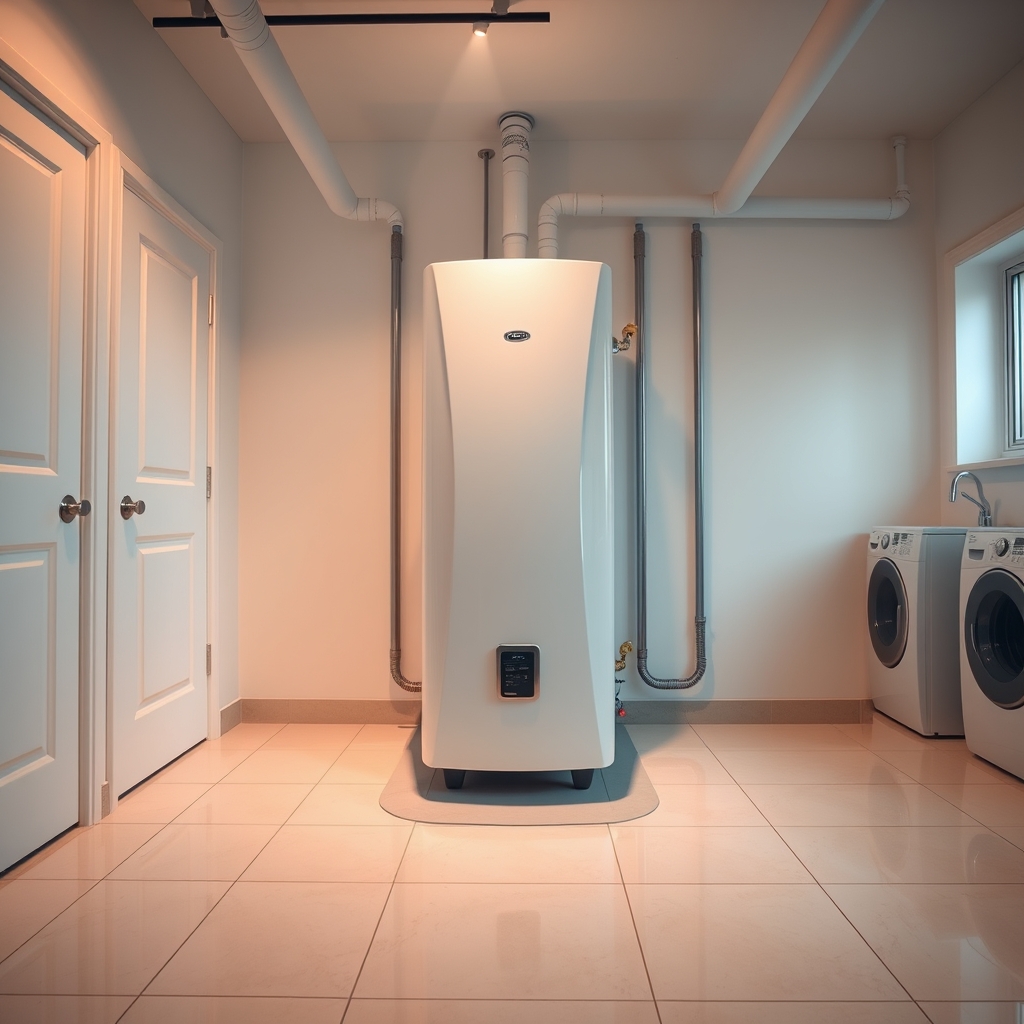
Hybrid water heater cost can swing widely because unit prices range from $1,200 to $4,800, contractors charge $800–$1,500 for labor, and extras like permits or electrical changes add even more. Homeowners reported total projects from just under $4,500 (with basic models and straightforward swap-in installs) up to $7,500+ for premium units or electrical panel work. This range is confirmed in recent quoting experiences and trusted reporting sources here and here.
Line-item cost breakdown — unit, installation, electrical, warranties
Breaking down the full heat pump water heater installation cost is essential for budgeting—there are more variables than most upgrades.
- Unit price: $1,200–$4,800. Most families opt for a 50–80 gallon unit. Energy efficiency (UEF rating), brand, tank size, and features like WiFi all impact cost.
- Installation labor: $800–$1,500 is typical for a simple replacement. “Hybrid” models may require drywall cutting, base pads, or minor venting tweaks.
- Electrical upgrades: If you lack a dedicated 240V circuit, expect electrician fees of $500–$1,000. Panel upgrades or extensive wiring may push this higher.
- Add-ons & warranties: Extended warranties can add $200–$500. Some brands offer 10-year coverage; others charge for more than 6 years. Local permits, new condensate drains, and overflow pans may add another $100–$300.
To get a realistic quote, snap a photo of your current water heater, breaker panel, and install location. Then send these to two or three pros for all-in estimates that break out electrical work and warranty pricing.
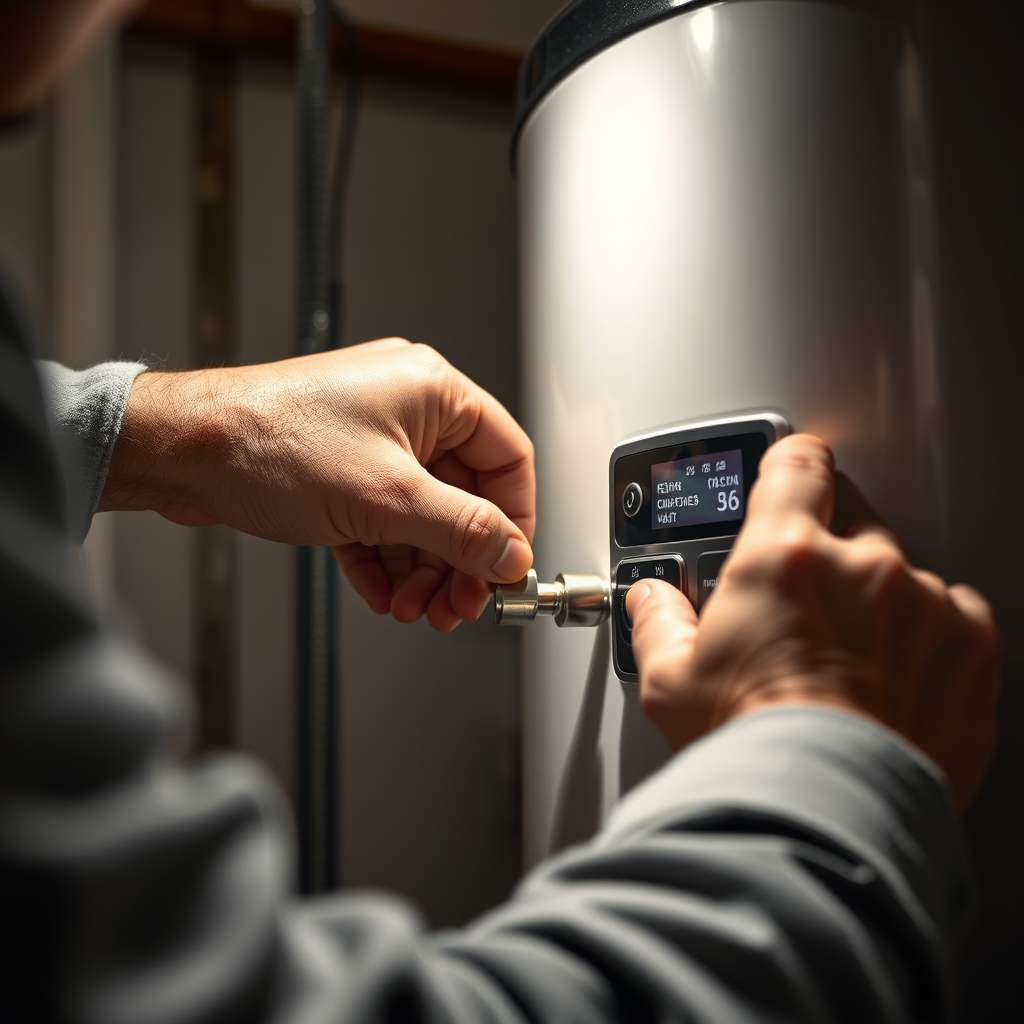
Don’t forget: Rebates and incentives can lower your hybrid water heater cost but may require all charges to be on a single invoice (check program rules).
Installation considerations — 120V vs. 240V, site fit, and complexity
Most heat pump water heaters in 2024 require a new or dedicated 240V circuit, which is often the trickiest and most costly step in an install—especially in older homes. Newer 120V units are coming to market and may let you skip electrical upgrades, but they have niche fit and performance limitations.
- 240V required: Heats water faster but nearly always needs a dedicated line from your breaker panel. This can be expensive if your panel is full or far from your water heater.
- 120V “plug-in” models: Easier for DIY swaps and may avoid the electrician altogether. Downside: generally slower hot water recovery, best for 1–2 person households or limited-use situations.
- Space & location: Heat pump water heaters are taller and heavier than old tanks. They pull air to work efficiently, so they need at least 700–1,000 cubic feet of air (think large closet or garage). Condensate drains and overflow pans are often mandatory.
- Noise: Like a running fridge (40–50 dB typical). Not deafening, but consider doors/walls if installed near living spaces.
Research and field reports emphasize that “the added complexity and cost of installing new dedicated 240‑V circuits is a leading reason upgrade projects run over budget.” Factor this into your math before assuming the lowest heat pump water heater installation cost.
Common negative user reviews — performance and reliability issues to know
Hybrid water heater cost is only half the story—performance complaints are common in real-world reviews. Here’s what buyers actually report most:
- Error-code beeping and shutoffs: The majority of negative reviews cite recurring error codes and beeping that requires resetting the breaker. Many units aren’t as “set it and forget it” as gas or basic electric models.
- Insufficient hot water: In winter or if units are placed in cold/unconditioned garages or basements, you may run out of hot water faster than you did with a gas tank.
- Premature failures: Some models have documented issues with compressor or control-board failures, often within 3–5 years. Extended warranties and a service-ready brand backstop are crucial.
- Hidden costs: Last-minute contractor add-ons—or upgrades to outdated electrical—drive up hybrid water heater cost late in the process.
It’s also not unusual for users to bounce between “heat pump mode” (for efficiency) and “hybrid” or “electric only” (for more reliable hot water). Know your unit’s settings and have a backup plan before the first cold snap.
Heat pump water heater vs. gas — side‑by‑side cost and performance comparison
| Feature | Heat Pump Water Heater | Gas Water Heater |
|---|---|---|
| Upfront Cost (unit + install) | $4,500–$6,000 (median: $5,200) | $3,800–$6,300 (median: $5,600) |
| Electrical Upgrades Needed? | Usually (240V) unless 120V model | Rarely |
| Annual Operating Cost (energy) | $110–$200 | $350–$600 |
| Typical Warranty | 6–10 years (varies by brand) | 6–10 years |
| Performance in Cold Weather | May suffer hot water shortages | No change |
| Emissions | Zero (operational), grid-dependent | High (direct) |
| Rebates & Tax Credits (2026) | Yes — up to $3,750 | Generally small or none |
For some, the “heat pump water heater vs gas” calculus is simple: lower lifetime cost with a hybrid, but higher initial investment and more installation complexity. Gas replacements can still cost up to $6,300 for a premium install—and electric heat pump models often outlast their gas rivals, especially with good maintenance.
For tips on increasing the overall energy efficiency of your home beyond just water heating, check out our guide on energy saving home improvements worth the investment.
Rebates, utility incentives and tax credits for 2026 — what to expect
The biggest swing factor in out-of-pocket hybrid water heater cost is the incentive landscape. In 2026, homeowners may still be eligible for:
- Federal tax credit: Up to $2,000 per install, model and income dependent. These credits may vanish or shrink after 2026, so timing matters.
- Utility rebates: Many local power companies chip in $250–$1,750 per install (check the ENERGY STAR or local utility portal for up-to-date details).
- IRA home electrification rebates: As of early 2026, Federal programs offer a 100% rebate up to $1,750 for low-income homes and 50% for moderate-income. Ongoing funding and rule changes mean you need to lock incentives early.
Stacking incentives isn’t always simple. Not all rebate programs can be combined, and some require pre-approval or participation from certified installers. Current market reports warn that incentive rules may shift with each legislative cycle. Budget for a realistic net cost, not a best-case one.
3 rebate insights top articles miss (what to call out for 2026)
Before counting on a heat pump water heater rebate 2026 or tax credit, keep these three crucial strategies in mind:
- Federal and state stacking is not guaranteed. Some states limit how much you can stack (e.g., max 100% of cost, sometimes less). Federal IRA incentives may not renew if political winds change.
- Income-tiered rebate structures matter. If your household income is under your state’s median, you may get full (100%) rebates up to $1,750. Moderate-income families could see 50%. Calculate eligibility ahead of project start using published thresholds.
- Incentive timing, utility rate trends, and paperwork complexity influence your real ROI. Some programs pay only after installation and paperwork. Utility rates are rising, so model increased savings over time—but include projected minor maintenance or warranty costs, which can offset your gains. There’s no single website that automatically tracks all local, state, and federal opportunities—take time to verify each incentive manually, or ask your contractor about incentive “stacking.”
For more ideas on budget-friendly home upgrades, see our list of budget home renovation ideas.
How to model ROI and payback (step-by-step with numbers)
Here’s a simple worksheet to weigh the ROI of a heat pump water heater, using typical numbers:
- Start with median total spend: $5,200
- Subtract known rebates & credits: For example, $1,750 rebate + $2,000 federal tax credit = $3,750 [if eligible]
- Net out-of-pocket: $5,200 – $3,750 = $1,450
- Estimate annual energy savings: Assuming $400 electricity savings/year (typical for gas to heat pump swap)
- Add a maintenance “risk” buffer: Reserve $150–$300 for potential early repairs or outages
- Estimate simple payback: $1,450 / $400 = 3.6 years payback (if rebates/credits qualify; longer if not)
- Adjust for utility inflation: At 3–5% utility inflation, your annual savings compound—and lifetime savings rise accordingly
Net present value: over a 10-year period (typical warranty window), you could net $2,500–$5,000 in savings after incentives—even if you budget for extra maintenance. Smart ROI modeling includes realistic repair expectations and future utility rates. For more advanced ROI models for home upgrades, review home improvement tips on maximizing property value.
Picking the best heat pump water heater — features, sizing, and warranty checklist
The best heat pump water heater is the one that fits your home, budget, and reliability needs. Here are the most important things to check:
- Size/tank capacity: For families of 3–5, 50–80 gallons is safest. More is better if you run laundry or dishwashers back-to-back. For singles/couples, 40–50 is usually enough.
- UEF efficiency rating: Higher UEF = more efficient. Look for UEFs above 2.7 for 2026-ready units.
- Backup electric element: Allows “hybrid” or “electric only” mode. Crucial in cold climates or if your home has sporadic hot water usage.
- Warranty: Extended warranties up to 10 years are worth the small premium, especially from brands with local service networks.
- Brand/service: Choose brands with wide service availability and good user reviews—Consumer Reports and Wirecutter lists are excellent starting points (see comparison reviews).
- Sound levels: Most units advertise around 45–50 dB. Avoid anything over 55 dB if locating near bedrooms or offices.
Price bands: Budget “good” units start near $1,500, and premium models can exceed $5,000 (before install). Scrutinize specs—higher up-front cost often equals better warranty and quieter operation. For more advice, read our DIY home improvement projects for beginners article, which includes decision-making tips for major home projects.
FAQs homeowners ask (short, actionable answers)
Will I run out of hot water with a heat pump water heater?
If sized right, you won’t—but recovery is slower than gas. In cold climates or high-use homes, use “hybrid” or “electric only” mode on peak days to avoid lukewarm hot water.
Do I need new wiring for a hybrid water heater?
Most installations require a dedicated 240V circuit. Some new 120V models work with standard outlets but have significant performance trade-offs. Factor $500–$1,000 for electrical work if needed.
Are they noisy?
Most heat pump water heaters run around 45–50 decibels (like a quiet fridge), but models and placement make a difference. Avoid closets or bedrooms for install if you’re sensitive to sound.
What if I have gas service?
You can still switch to hybrid, but capping off old lines and electrical upgrades can add to cost. Request a detailed breakout in your quote. Gas replacement models cost about the same—sometimes more, depending on your region.
How long do they last?
Heat pump water heaters commonly last 10 years with routine maintenance. Check if your model has a 6- or 10-year tank and parts warranty. Early failures can happen, so verify local service availability.
How do I claim rebates and the federal tax credit?
Keep all paid invoices. Apply for utility rebates via your provider’s website or ENERGY STAR portal. For tax credits, use IRS Form 5695 and include documentation with your annual tax return.
Practical next steps — getting quotes and locking incentives
Here’s a fast-action checklist for homeowners planning a heat pump water heater upgrade:
- Take pictures of your current water heater, install location, and breaker panel.
- Request at least 2–3 contractor quotes. Ensure each estimate breaks out unit, install labor, and heat pump water heater installation cost for electrical work.
- Check ENERGY STAR and your local utility for overlapping rebates. Confirm heat pump water heater rebate 2026 program status before committing.
- Calculate your real net cost by subtracting possible rebates and tax credits from your total quote.
- Read warranty paperwork closely and ask contractors if service calls are local.
- Use the median $5,200 “reference spend” as a negotiation tool—don’t accept much higher bids without a strong reason.
Want more practical advice? Browse our expert-backed home improvement tips and energy saving home improvements worth the investment for more ways to reduce household bills.

Conclusion
In 2024, investing in a heat pump water heater means budgeting carefully, preparing for electrical challenges, and tracking incentive timelines. The payoff—if you choose the right model, know the drawbacks, and stack rebates wisely—can be substantial on both energy savings and long-term comfort. Ready to take the next step? Gather your info, get competitive quotes, and lock in those incentives before the best programs expire.
—