


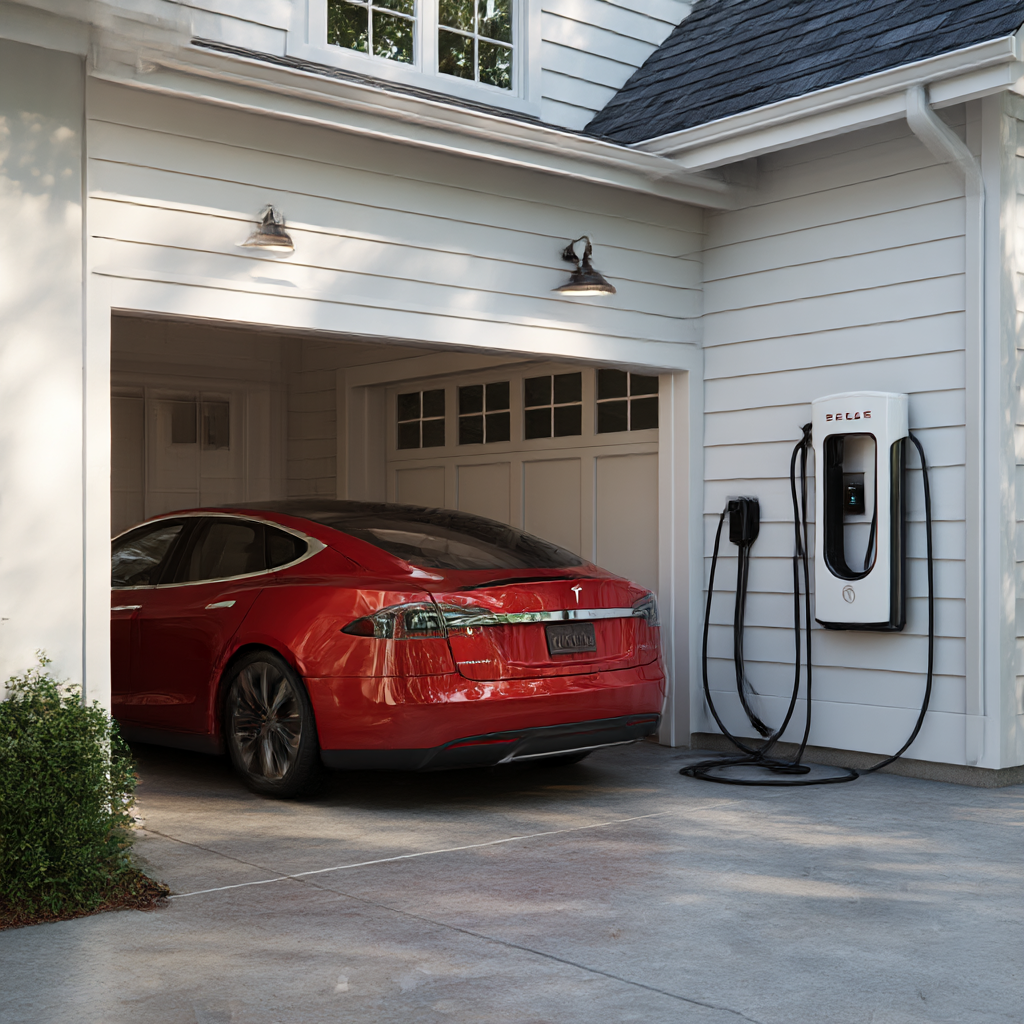
EV charger home installation is one of the most cost-effective ways to make EV ownership easy, but real costs, pitfalls, and best practices are rarely clear from the start. If you want an accurate, no-nonsense plan for installing a Level 2 EV charger at home—without getting hit by surprise fees or making expensive mistakes—this guide is for you.
Key Takeaways
- Most homeowners pay $800 to $3,000 for a complete Level 2 EV charger installation, but factors like panel upgrades or long wire runs can raise the total to $7,000.
- Permits and certified electrical work are required in most areas—DIY projects often lose financial incentives and can create insurance issues.
- Getting 3–5 detailed quotes, checking local permit rules, and understanding cost drivers (panel, labor, materials) are essential for an accurate budget and a hassle-free install.
- Quick cost snapshot: what most homeowners actually pay in 2024–2026
- Cost scenarios by complexity (simple, standard, complex, panel upgrade)
- Regional and metro variation — why big-city installs often cost more
- Real cost components — breakdown (hardware, labor rates, wiring, permits, extras)
- Why DIY often fails or backfires — top homeowner pain points
- Permit traps and inspection delays — what to expect and how to avoid surprises
- Technical steps competitors miss (and why they matter)
- Decision flow — DIY vs hire vs hire-plus-permit-handling (step-by-step)
- How to get an accurate quote — what to ask and compare (3–5 quote checklist)
- Budgeting and incentives — net out-of-pocket after credits/rebates
- Quick-install checklist and timeline for homeowners
- Closing recommendations and next steps (what to do right now)
- FAQ: EV Charger Home Installation
Quick cost snapshot: what most homeowners actually pay in 2024–2026
The real-world cost of EV charger home installation depends on several factors, but here’s what you should expect as a baseline for a typical Level 2 charger install:
- Total cost: $800 to $3,000 for most jobs, with a national average of $1,600–$1,800 (EVInstallerPro).
- Breakdown: Charger hardware $300–$1,000, electrician labor $400–$1,500, materials/wiring $100–$800, permits $50–$300.
- Panel upgrade (if needed): $1,500–$4,000 extra, sometimes required for older or fully loaded panels.
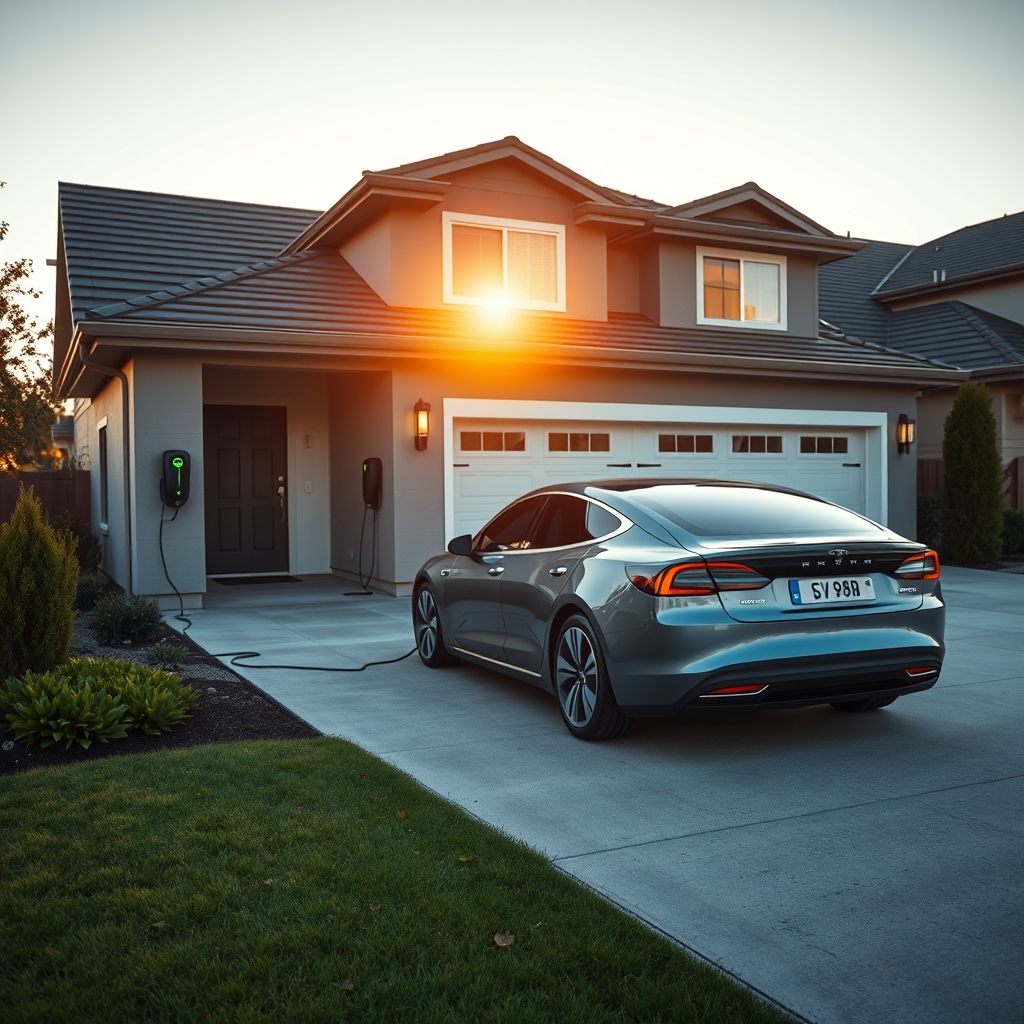
These numbers reflect what you’ll pay for a Level 2 EV charger install cost in 2024–2026 under normal conditions. If your charging location is close to your panel and you opt for a mainstream NEMA 14-50 outlet EV charger, you’ll likely pay at the lower end of the range. Costs increase quickly if you have a detached garage, need outdoor trenching, or require a 240V outlet for your EV charger with a full panel upgrade.
Cost scenarios by complexity (simple, standard, complex, panel upgrade)
EV charger home installation projects aren’t one-size-fits-all. Here’s how costs break down for the main scenarios:
| Scenario | All-in Cost Range (2024–2026) | Key Drivers |
|---|---|---|
| Simple (Panel in garage, wall-mount next to panel) | $800–$1,200 | Short wire run, no upgrades |
| Standard (Typical attached garage, moderate wire run) | $900–$1,500 | Moderate wire/conduit, basic labor |
| Complex (Detached garage, long run, outdoor weatherproofing) | $1,500–$2,500 | Outdoor trenching, GFCI, conduit |
| Panel Upgrade Required | $3,000–$7,000 | 200A upgrade, new subpanel, city permitting |
Why does complexity matter? A simple adjacent install usually means just hardware and a straightforward hookup (the $1,200-and-under club). If the run is longer, you’re outside, or your panel is maxed out, expect to pay substantially more—especially if you need an EV charger panel upgrade. This often applies in older homes or those with electric ranges/heat pumps already installed.
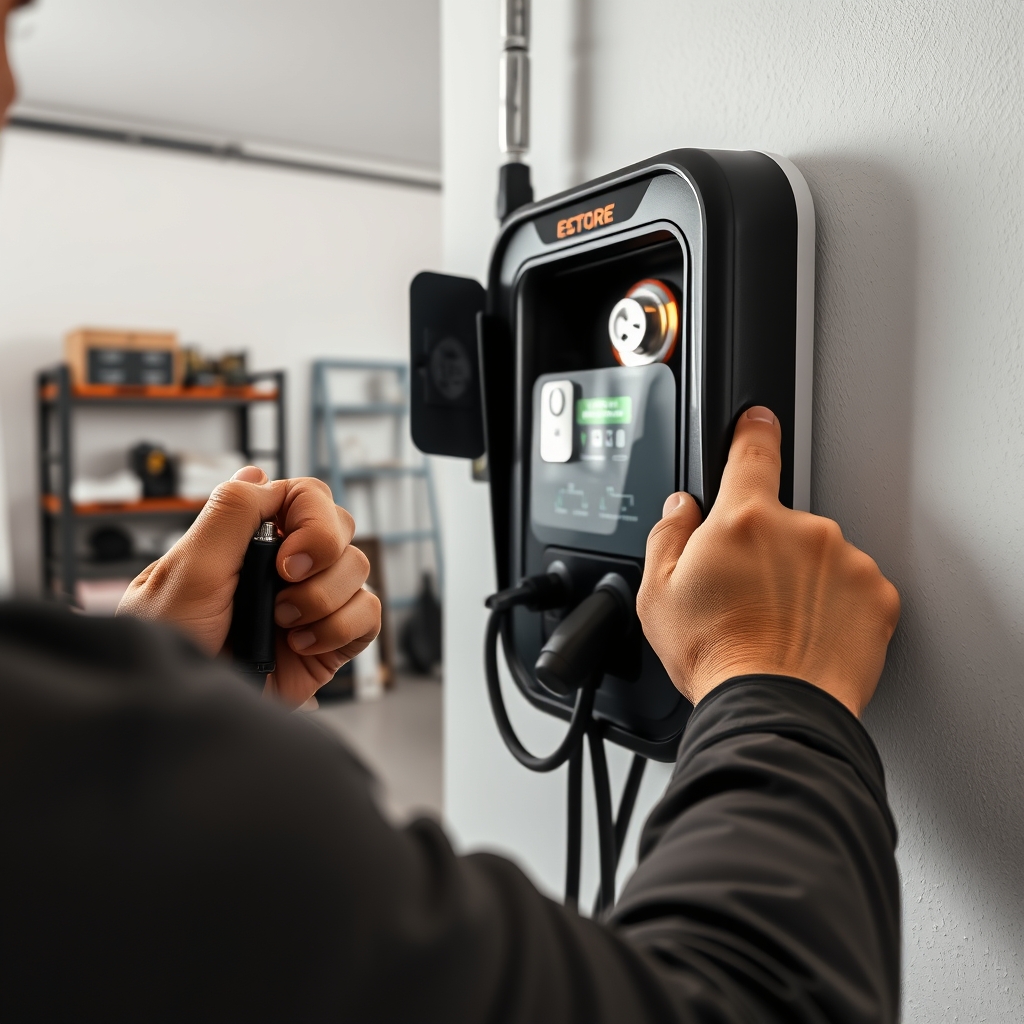
While DIY options can seem appealing, keep in mind that most jurisdictions require a licensed electrician for the high-voltage 240V work—even if you’re comfortable with basic DIY home improvement. For general tips on transforming your home and stepping into more complex upgrades, check out our Best Home Improvement Tips.
Regional and metro variation — why big-city installs often cost more
If you live in a major metropolitan area, expect higher-than-average numbers. In cities like Los Angeles, New York, Chicago, and Seattle, total install costs for a Level 2 charger often fall between $2,000 and $7,000, especially if any trenching, panel upgrades, or complex runs are required (MyHomeQuoter).
- Labor rates are higher: $120–$175 per hour is not uncommon in big cities.
- Permits and inspections sometimes have multiple steps and higher fees, typically $100–$500 total.
- Old buildings may trigger wiring or load calculation upgrades.
For most suburban homeowners, staying under $1,500 is possible unless your panel is out of capacity or you have non-standard site features. Knowing these differences early can help avoid sticker shock.
Real cost components — breakdown (hardware, labor rates, wiring, permits, extras)
Always request a line-item breakdown when you get quotes. Here’s what appears on most realistic invoices for a 240V outlet for EV charger:
- Charger hardware: $400–$1,000 (features, amperage, Wi-Fi)
- Electrician labor: $75–$150/hour for 2–4 hours ($200–$600 typical)
- Wiring/conduit: $3–$8/foot (factor in both distance and material upgrades for outdoor installs)
- New 240V breaker: $50–$150
- Permit/inspection: $50–$300
- Extras: Panel upgrade ($1,500–$4,000), load management device ($200–$500), trenching ($200–$1,000 depending on distance)
NEMA 14-50 outlet EV chargers are common for home installs; make sure your quote shows brand/model, wire gauge, and circuit breaker sizing. For more cost-effective projects, see our guide to affordable home upgrades.
Why DIY often fails or backfires — top homeowner pain points
You may see advertisements for DIY EV charger install 2026 kits, but the reality is there are significant risks:
- Most municipalities require a home EV charger permit and licensed electrician’s sign-off, especially for new 240V circuits.
- DIY may save $200–$1,200 in labor, but after accounting for lost rebates/incentives, the net savings is typically just $100–$400 (Electrify Home).
- Unpermitted DIY work can void both charger/equipment warranties and home insurance policies.
- Common DIY mistakes: undersized wire, skipped panel load calculation, omitting required GFCI protection, or leaving out a dedicated breaker.
In short: DIY mounting of the actual charger box is fine, but electrical work—especially any new 240V wiring—should be left to a licensed pro who can handle the permit process. For other beginner-friendly upgrades that are totally DIY-safe, see our list of DIY Home Improvement Projects for Beginners.
Permit traps and inspection delays — what to expect and how to avoid surprises
Most municipalities require a home EV charger permit for any new Level 2 charger circuit or 240V outlet for EV charger. Here’s what can go wrong:
- Permit requirements differ wildly—even between neighboring cities.
- Typical permitting and inspection fees: $50–$300 each (The Garage Guide).
- Many local offices require the licensed electrician’s contact info and full load calculation before approval.
- Extra inspections (if initial work fails) can delay your project by days or weeks.
Permit Checklist:
- Clear photos of panel, panel label, and planned charger/mount location
- Charger spec sheet (showing ampacity and plug type e.g. NEMA 14-50)
- Proposed wiring diagram or electrician’s scope of work
- Contractor’s license and insurance info
- Application form with project address and owner signature
Treat permit handling as a “must include” in your quote—some installers even manage the whole process for you.
Technical steps competitors miss (and why they matter)
Most homeowners (and many online guides) underestimate the technical requirements of a proper EV charger panel upgrade and install:
- Full load-calc and panel check: Must confirm there’s enough extra panel capacity for the charger + existing loads.
- Correct breaker/wire size: Properly match to your Level 2 charger’s amp rating (32–48A typical).
- NEC 2020 GFCI requirements: New code requires GFCI for any EV circuit—missing this is a top inspection fail point.
- Futureproofing: If you plan to add HVAC, a battery, or another EV, your panel may need a major upgrade now (cost: $1,500–$4,000 for upgrade, $200–$500 for load management).
- Hidden complexity: Exterior/outdoor mounting needs extra weatherproofing and conduit.
For more on how electrical upgrades can affect your home’s overall efficiency and value, visit our heat pump water heater cost guide.
Decision flow — DIY vs hire vs hire-plus-permit-handling (step-by-step)
Use this quick flow to determine your safest (and most realistic) installation route:
- DIY mounting only (attaching box to wall, running cable): legal and cost-effective if an electrician runs the 240V circuit and pulls the permit. Savings: $100–$200.
- Hire a licensed electrician for all 240V wiring and circuit work. Cost: $75–$150/hr x 2–4 hrs. Most rebates and warranties are preserved.
- Full-service installer/permit handling (best for panel upgrades, older homes, or any complexity): They handle everything from quote to final inspection—costs more ($400–$1,500 extra) but saves time and eliminates legal risk.
True DIY EV charger install 2026 is legal in very few places—and almost never recommended unless you’re a licensed electrician. Most homeowners save time, money, and stress by hiring a pro who handles every step.
If you want more ideas for affordable major upgrades, browse our Budget-Friendly Home Renovation Ideas page.
How to get an accurate quote — what to ask and compare (3–5 quote checklist)
The only way to avoid surprise charges is to get specific. When you request quotes, always:
- Get 3–5 independent quotes—do not accept ballpark numbers.
- Request a full written breakdown: equipment model, labor, materials (wire/conduit), panel/breaker sizing and upgrades, permit, and inspection fees.
- Ask about timeline: how quickly after permit approval will work begin? (Normal is 1–2 weeks.)
- Check if permit and inspection handling is included in the price.
- Review installer warranty terms—good pros warranty both parts and labor.
Red flag: any installer who cannot provide a clear breakdown or dodges questions about panel capacity, permits, or utility rebates. For more contractor comparison tips, see our house upgrades advice.
Budgeting and incentives — net out-of-pocket after credits/rebates
Many homeowners worry only about the sticker price, but tax credits and utility rebates can drastically reduce your final out-of-pocket.
- Federal tax credit: Up to 30% of install cost, capped at $1,000 (changes by state and federal policies—confirm latest details locally).
- Utility rebates: Many local power companies offer $250–$600 back for eligible installs (usually only for pro installs).
- Post-incentive “typical”: $200–$800 for basic installs, $1,500–$4,000 for panel upgrades in metro areas (SimpleSwitch).
- DIY warning: Most rebates require licensed install with permit—DIY may forfeit all savings, so check first.
To maximize your returns, always ask your electrician about eligible rebates and provide receipts for both equipment and labor. For more ways to trim recurring expenses with energy-efficient upgrades, see our guide on energy-saving home improvements.
Quick-install checklist and timeline for homeowners
A smooth EV charger home installation usually follows this pattern:
- Inspect your panel—take photos and document existing breaker amperage.
- Decide on charger spec (amps, plug type: NACS/J1772, Wi-Fi, etc.).
- Request 3–5 quotes from licensed pros.
- File for a permit (or have installer handle it).
- Schedule and complete installation (4–8 hours typical work time).
- Pass final inspection and start charging.
- Typical timeline: 1–3 weeks from first quote to charging (permits/scheduling add time; wiring alone is only a day’s work).
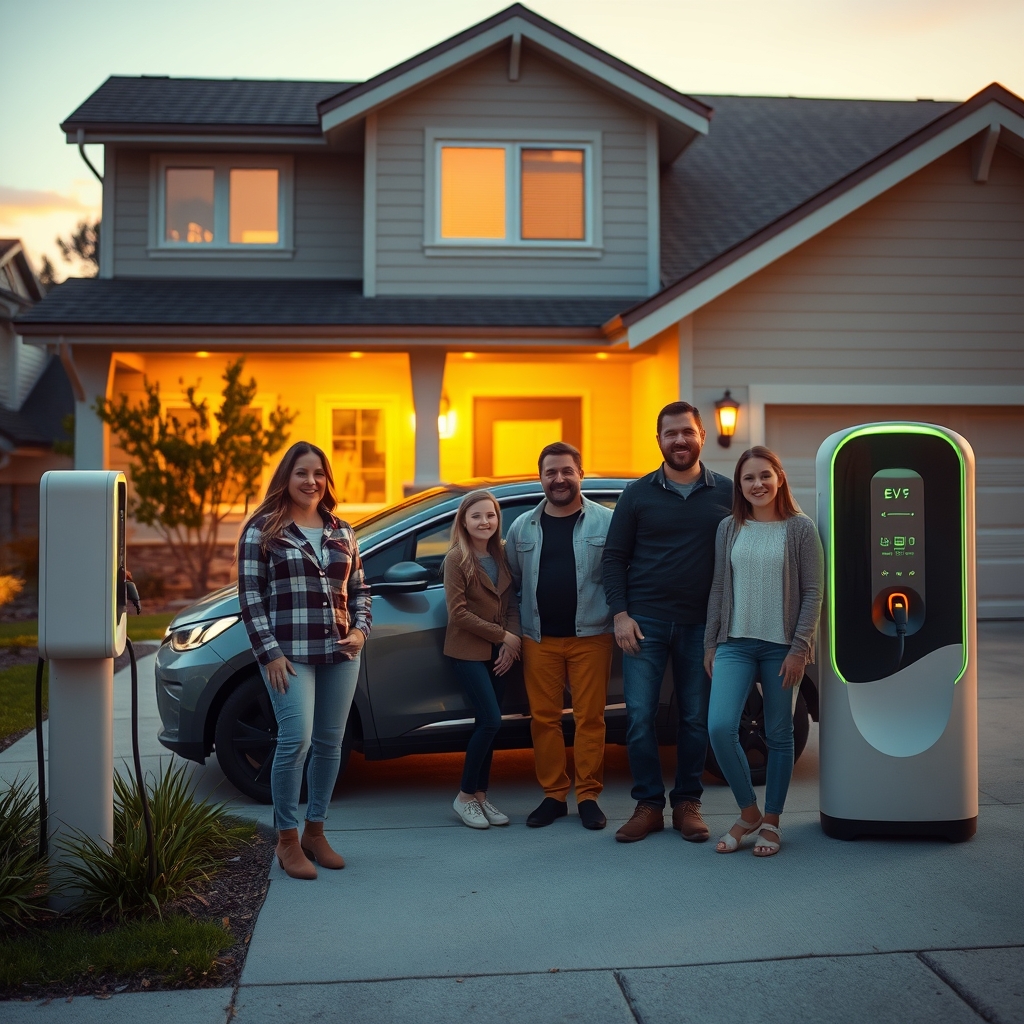
For NEMA 14-50 outlet EV installations, always request proper GFCI protection and weatherproof enclosures if mounting outdoors.
Closing recommendations and next steps (what to do right now)
Ready to move forward? Here’s your action checklist:
- Photograph your electrical panel (with cover off) and target charger area.
- Gather at least 3 quotes from licensed electricians—aim for full breakdowns that detail panel capacity, hardware, labor, materials, 240V outlet for EV charger, and permit costs.
- Check city/county permit requirements and any utility rebate requirements on professional install or home EV charger permit.
- Decide which charger model is best for your car and home—factor in amps, plug type, built-in Wi-Fi, and brand reliability (see best home EV charger 2026 trends).
- Prioritize contractors who include permit handling and panel load calculations—this saves time, reduces risk, and ensures all incentives are valid.
For most homes, a fair level 2 EV charger install cost is $1,600–$1,800 complete (panel upgrades raise this fast). Use these benchmarks, ask the right questions, and your EV charger home installation can be straightforward—you’ll be charging at home in weeks, not months.
FAQ: EV Charger Home Installation
How much does a typical EV charger home installation cost?
Most homeowners pay between $800–$3,000 all-in for a Level 2 charger install, with panel upgrades or complex jobs in major metros reaching $7,000 or more.
Can I install a Level 2 EV charger myself?
You can mount the charging unit, but installing a new 240V outlet for EV charger and running electrical work almost always requires a licensed electrician and permit.
What factors can make my install cost more?
Long wire runs, detached garages, outdoor installation, and the need for an EV charger panel upgrade are top cost drivers. Regional labor rates and permit fees also matter.
Are rebates available for EV charger home installation?
Yes, federal tax credits and many utility rebates can reduce out-of-pocket costs significantly. Most require professional installation and permits to qualify.
What is a NEMA 14-50 outlet EV charger?
It’s a common 240V outlet that supports most Level 2 EV chargers. Many electricians recommend NEMA 14-50 for its compatibility and ease of future upgrades.